The Evolution of the Diesel Engine: Repair and Maintenance Tips
The Evolution of the Diesel Engine: Repair and Maintenance Tips
Blog Article
When it comes to car maintenance, the engine is undeniably the heart of the vehicle. For those seeking economical options, second hand engines offer an appealing alternative to costly new units. They can deliver sufficient performance at a fraction of the price, but buyers must navigate important considerations and smart choices. Engaging with a reliable source is paramount; you can about second hand options and their advantages at learn more. Second hand engines come from various sources, including vehicle salvage yards, engine shops near you, and specialized suppliers. While initial costs may be lower, understanding potential hidden expenditures like installation fees or warranties impacts the overall value proposition. This article delves into crucial aspects of second hand engines, including their benefits, costs involved, and tips to ensure a successful purchase. Engines that have been used previously, often referred to as second hand engines, are available for different vehicle applications. This category includes multiple engine types such as diesel and gasoline, with an assortment of models and specifications, featuring notable examples like the V8 and LS3 engines. The major draw of buying second hand engines is the considerable cost savings when compared to brand new engines. Many used engines are still performing well, offering solid functionality. However, prospective buyers should engage in thorough research to distinguish premium quality products from those potentially in need of further repair work. It can be worthwhile to explore different avenues to source second hand engines. Automotive parts warehouse operators typically have partnerships with reputable salvage yards, allowing customers to find quality used options with ease. Those in search of a “car engine replacement near me” may also locate local shops that specialize in second-hand parts. Performing thorough checks on the second hand engines is crucial, including evaluating the starter motor and assessing overall functionality, to confirm quality before proceeding with a purchase. Selecting the right second hand engine involves a straightforward process that can help buyers secure quality parts without overspending. The first step typically includes determining the engine specifications needed for your specific vehicle, which can be obtained from the manufacturer's manual or forums dedicated to automotive engines. Next, consider reaching out to engine replacement providers in your area or searching online for local options. Immediate considerations also include verifying warranty options, as reputable suppliers often offer some form of guarantee or return policy. Furthermore, it’s prudent to ask for documentation detailing the engine’s history or previous usage—this can aid in understanding how well the part has been maintained. Always aim to inspect the engine in person, focusing on visual indicators of wear and corrosion which could signal future reliability issues. Finally, it’s beneficial to calculate the overall costs associated with the acquisition of the second hand engine, including not just the purchase price but delivery fees, installation costs, and any necessary components to facilitate a proper installation. Knowing the full extent of these considerations is vital to ensuring a smooth replacement process. In the realm of second-hand engines, warranties are vital to consider. They assure buyers that the engine is operational and safeguard against defects that may surface shortly after the transaction. It is smart to opt for sellers who extend warranty options on their used or refurbished engines. This does give buyers a pathway to address any issues without facing unforeseen expenses. Quality assurance must not be overlooked either; trustworthy vendors typically follow established inspection guidelines before putting their engines on the market. Potential buyers should discuss the refurbishing techniques employed and the various tests undertaken. Whether you’re sourcing from a nearby engine retailer or a reputable shop, confirm that their practices align with current industry standards. This approach encompasses not just the engine's physical integrity but also its performance records and durability metrics. Engaging in this level of diligence can lead to improved satisfaction and help circumvent unexpected repair costs due to engine failures. For further insight, one might investigate engine rebuilding. This subject relates to second-hand engines, as many of them are refurbished to restore functionality at a reasonable price point. Navigating the second hand engines market can be daunting. Arm yourself with insights from experienced users and professionals to protect your investment.Understanding Second Hand Engines
Buying Second Hand Engines: Steps to Success
Warranties and Quality Assurance
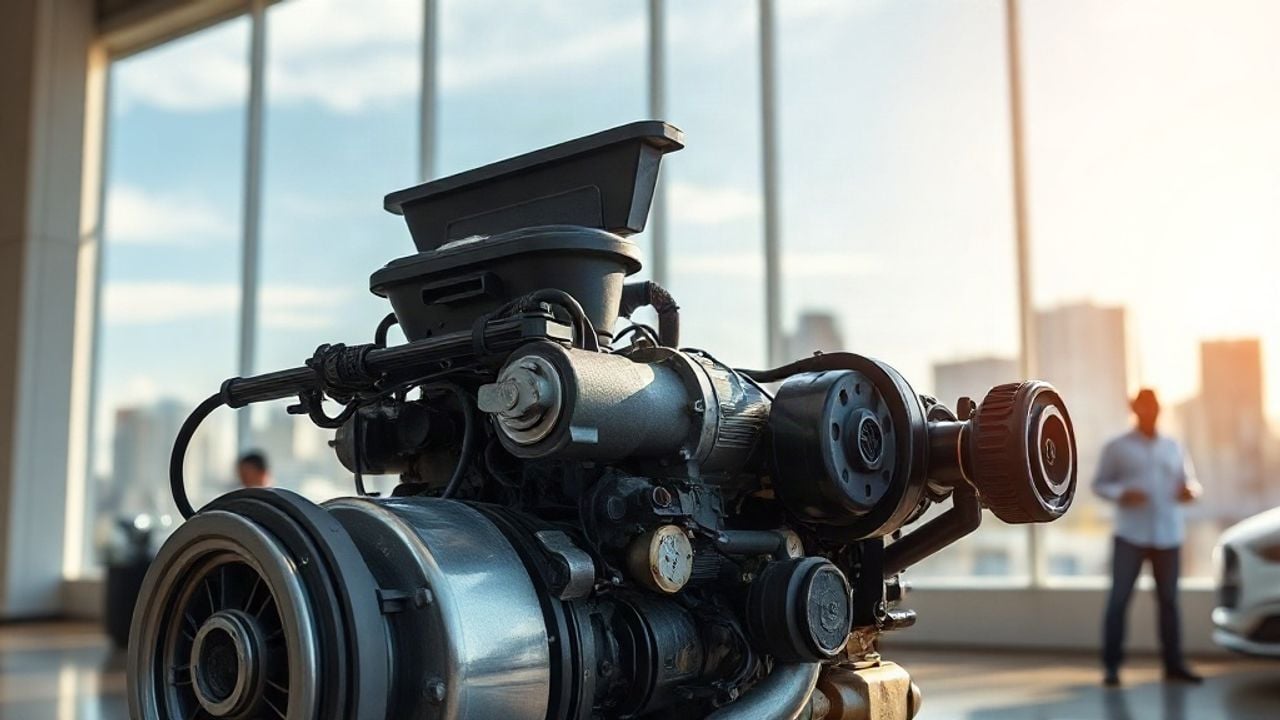 second hand enginesengine shop near me
Proven Tips for Shopping Second Hand Engines
second hand engines
Frequently asked questions
What is second hand engines?
Second hand engines are pre-owned engine units that can be installed in vehicles as replacement parts, often providing a cost-effective alternative to new engines.
How do I choose a second hand engines provider?
Choosing a provider involves researching their reputation, checking warranty options, and thoroughly inspecting the engines offered before making a purchase.
How much does second hand engines cost?
The costs of second hand engines can vary widely depending on the engine type and supplier, but they typically range from a few hundred dollars to several thousand.
For vehicle owners on a budget, opting for second hand engines is a wise decision. By knowing the right criteria to assess and following effective buying strategies, anyone can uncover an engine that fits their needs without straining their finances. With careful inspection and a bit of research, drivers can experience dependable performance while saving money.
Choosing wisely in the second hand engine marketplace not only prolongs your vehicle’s lifespan but also increases your understanding of its essential components. Dedicating effort to this endeavor can lead to significant benefits in both operation and expenditure.